ZPayNG
 Business
 I Videos Play Videos
 Instant Go
 Appvertor


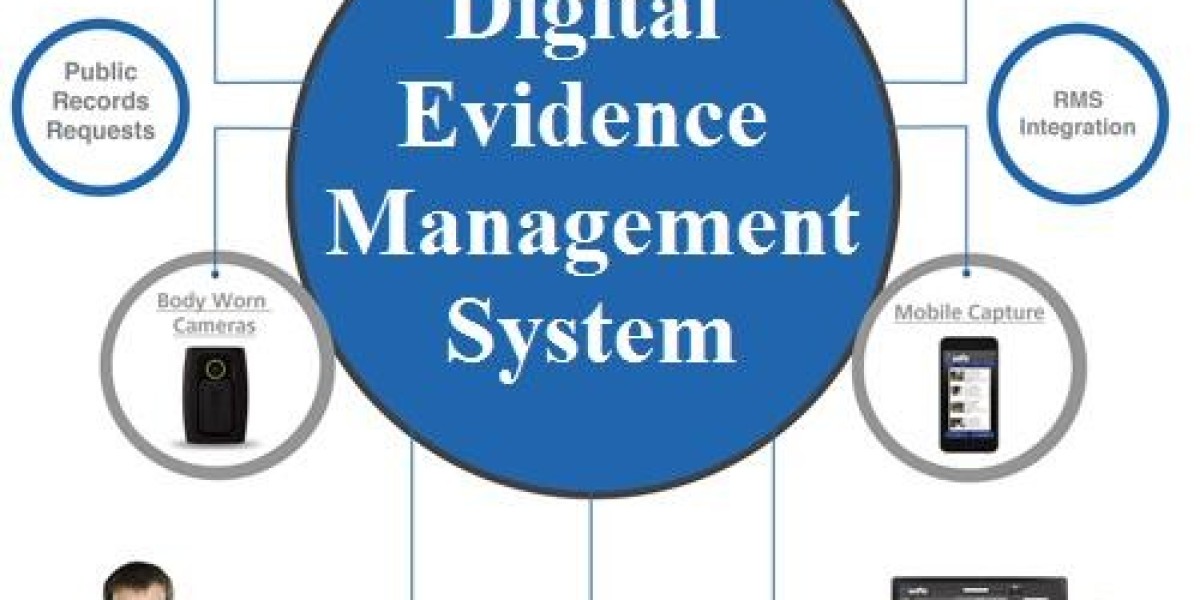
In today's digital age, law enforcement and investigative agencies face an ever-increasing volume of electronic data. From CCTV footage and smartphone recordings to emails, social media content, and body-worn camera feeds, digital evidence plays a crucial role in modern criminal investigations. Digital Evidence Management (DEM) refers to the systematic handling, storage, analysis, and sharing of electronic evidence through secure digital platforms. It ensures that evidence remains intact, traceable, and admissible in court, streamlining the entire process from collection to courtroom presentation.
One of the core aspects of digital evidence management is maintaining the integrity and authenticity of the digital content. With massive volumes of data generated daily, proper chain of custody and audit trails are essential to avoid data tampering or loss. DEM systems automate these processes by recording every interaction with evidence—who accessed it, when, and why—ensuring transparency and accountability throughout an investigation. This not only boosts the credibility of evidence presented in court but also protects law enforcement agencies from legal and procedural challenges.
Digital evidence management platforms also offer enhanced efficiency compared to traditional physical storage and manual processes. Previously, investigators had to manage numerous storage devices and paper trails, increasing the risk of misplacement or errors. With DEM solutions, all digital files can be centralized in a cloud-based or on-premises system, accessible to authorized personnel anytime, anywhere. This centralized access supports real-time collaboration between various departments, agencies, and prosecutors, significantly accelerating the pace of investigations and legal proceedings.
Moreover, DEM tools often incorporate advanced technologies such as artificial intelligence and machine learning. These capabilities assist in organizing and analyzing vast amounts of digital data more efficiently. For example, AI can help detect patterns in surveillance videos, identify keywords in audio recordings, or tag relevant content in emails and messages. This automation reduces the burden on investigators and allows them to focus on critical decision-making rather than manual data review. Additionally, these tools can prioritize and flag potentially crucial evidence, improving both the speed and accuracy of case resolution.
Security remains a vital concern in managing digital evidence. Given the sensitivity of the information involved, digital evidence management systems are equipped with strong encryption, user authentication, and role-based access controls to prevent unauthorized usage or data breaches. Regular system audits, backups, and compliance with industry standards ensure that evidence is not only protected but also remains admissible in judicial processes. For organizations, this builds trust among stakeholders and assures the public of the integrity of digital investigations.
Source - https://www.marketresearchfuture.com/reports/digital-evidence-management-market-7866
Digital evidence management has revolutionized the way investigations are conducted and evidence is handled. It has provided law enforcement with powerful tools to manage digital data efficiently, securely, and transparently. As technology continues to evolve, DEM systems will remain critical in upholding justice, safeguarding evidence integrity, and streamlining the legal process. Agencies that adopt robust digital evidence management practices are better positioned to tackle modern crimes and ensure that justice is delivered swiftly and fairly.